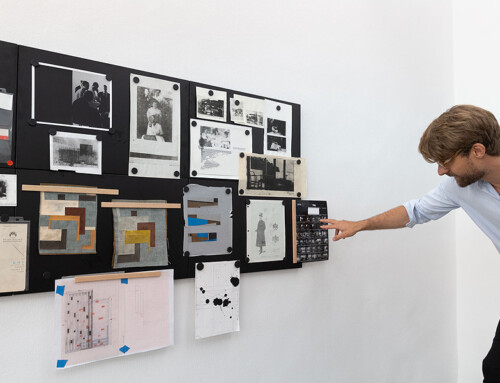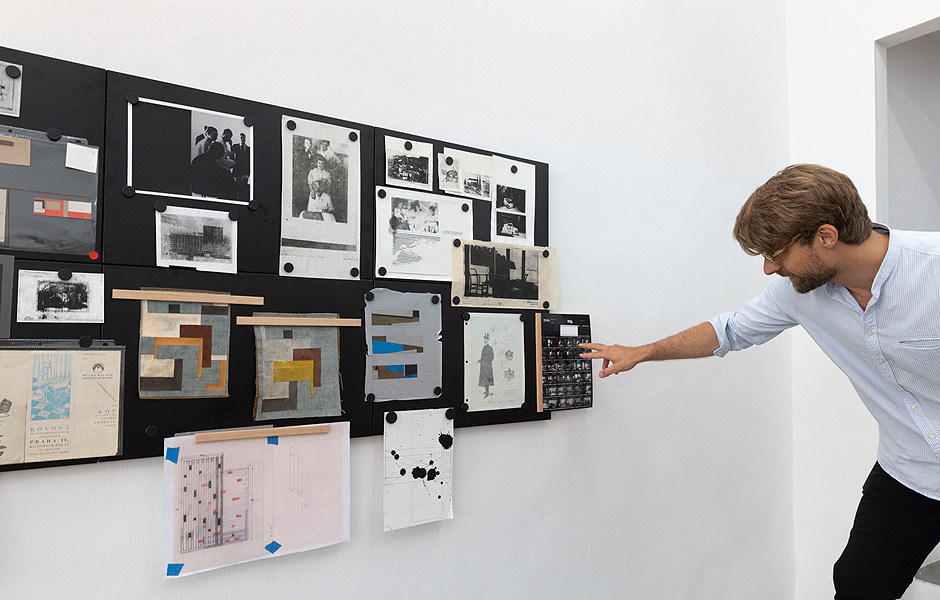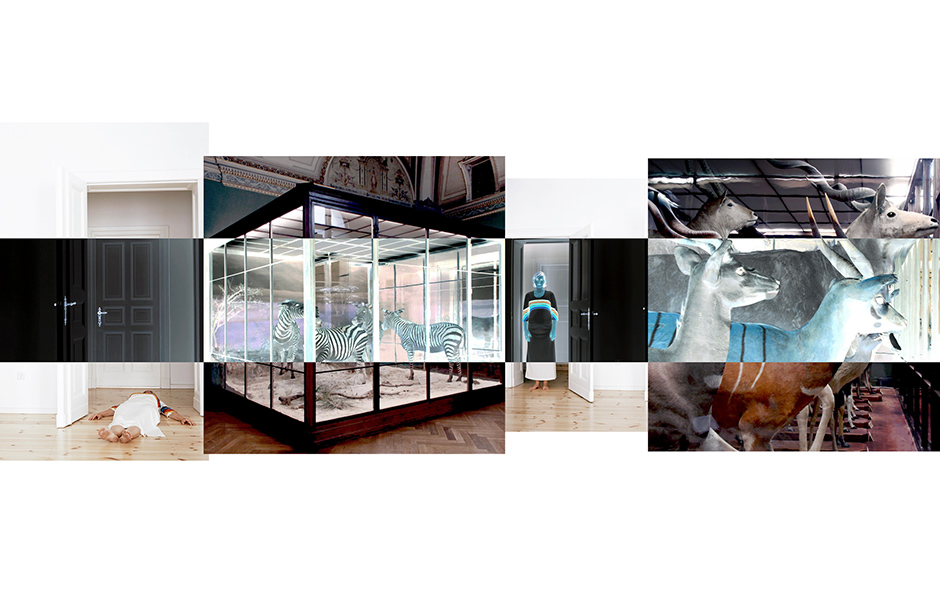
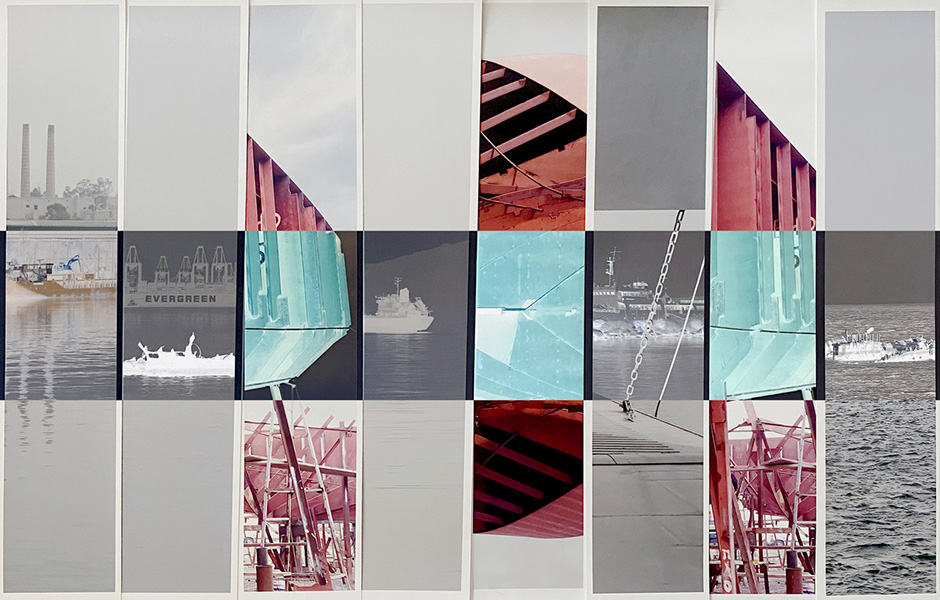
Summer School Course THE THINKING IMAGE: Photography as Visual Language by Christina Dimitriadis
General Course Description
In an age where images are constantly produced and shared through smartphones and digital platforms, photography has become a universal form of communication. Yet the ability to take photographs does not automatically lead to meaningful images. What distinguishes a photograph from the endless flow of images that surrounds us today?
THE THINKING IMAGE: Photography as Visual Language explores how photographs can move beyond simple documentation and become a form of visual thinking. The course focuses on the development of photographic awareness, experimentation, and editing as key elements in shaping a personal visual language.
Throughout this five-day summer school, participants will engage in a combination of visual lectures, practical exercises, and collective discussions. Working with cameras or smartphones, they will explore observation, composition, and experimentation in image-making while reflecting on how intention, chance, and perception influence the photographic process.
Participants will develop a photographic project based on a personal theme or question and will produce new images throughout the week. Through editing and sequencing sessions, these images will be shaped into a small photographic series.
Participants will also be introduced to basic digital image editing using Adobe Photoshop. The session will focus on essential techniques for refining photographic images, including cropping, tonal adjustment, contrast, and color correction. These tools will be approached as part of the creative process through which photographers shape the final image.
By the end of the course, each participant will have created a coherent photographic sequence of 5–8 images reflecting their emerging visual language and approach to photography. (Text & photos by courtesy of Christina Dimitriadis)
Learning Outcomes
Participants will:
- Develop a deeper awareness of photography as a form of visual language
- Observe and analyse visual environments through photographic practice
- Experiment with composition, perspective, light, and framing in image-making
- Explore the relationship between intention, perception, and chance in photography
- Work with basic digital image refinement using Adobe Photoshop (cropping, tonal adjustment, contrast, color correction)
- Edit and sequence photographs in order to construct meaning and visual narrative
- Develop a coherent photographic project based on a personal theme or conceptual starting point
- Produce a photographic series of 5 – 8 images
General Guidelines
This course is open to artists, photographers, students, and cultural practitioners interested in exploring photography as a creative and conceptual medium.
Participants may work with digital cameras or smartphones. Those who work with analogue photography are welcome to include their material in the editing and discussion sessions. Bringing a laptop with Adobe Photoshop installed is recommended for viewing and editing images during the workshop.
Participants are encouraged to bring existing photographic material if they wish to develop or continue an ongoing project. However, new images will also be produced during the course through practical exercises and photographic exploration in the surrounding environment.
Active participation in discussions, exercises, and critique sessions is an important part of the workshop.
Benefits
Participants will benefit from:
- An intensive working environment focused on observation, experimentation, and visual thinking
- The opportunity to develop a personal photographic project within a structured framework
- Individual feedback and group critique sessions that support artistic development
- Learning practical strategies for editing, sequencing, and presenting photographic images
- Gaining basic experience in refining images using Adobe Photoshop
- Developing a coherent photographic series that can serve as the starting point for future artistic work
- Engaging in discussion and exchange with other participants in an international learning environment
Methods and Topics of Teaching
The course combines theoretical input with practical exploration and collaborative discussion.
Teaching methods include visual lectures introducing artistic references in photography, practical photographic exercises in the surrounding environment, experimentation with different photographic strategies, group discussions and image analysis, editing and sequencing sessions, and individual consultations.
Topics explored include photography as visual language, observation and perception, self-representation, the relationship between photographer and subject, experimentation in photography, basic digital image refinement using Adobe Photoshop, and editing and sequencing to construct photographic meaning.
Program Structure with Daily Course Description
Day 1
9:30 AM Reception at the BAI
Morning Session: Seeing and Observation
To begin the summer school week, Christina Dimitriadis will present an overview of her artistic practice and her work with photography as a medium for exploring social environments, identity, and visual perception. This introduction will situate the workshop within a broader artistic context and introduce key ideas that will guide the week.
The opening lecture will focus on photography as a form of visual language. In an age where images circulate continuously through digital platforms, the session will examine how photographers move beyond simple documentation to create images that communicate meaning. Artistic references from contemporary photography will be discussed in order to explore how observation, framing, and context shape the photograph.
Following the lecture and discussion, participants will take part in a practical exercise focused on slow observation. Working individually in the surrounding area of the institute, participants will produce a first series of photographs that respond to their immediate environment.
Afternoon Session: First Image Review
In the afternoon, participants will return to the studio and present a first selection of images from the morning exercise. The group will discuss the photographs collectively, focusing on questions of composition, perspective, and visual intention.
This session introduces participants to the process of editing and reflecting on their own images, which will remain an important component throughout the workshop.
Day 2
Morning Session: Encounter and Environment
The morning lecture will explore photography as a way of encountering place and environment. The session will present artistic examples that address urban space, everyday life, and the relationship between individuals and their surroundings.
The lecture will last approximately 30–40 minutes and will be followed by a group discussion focusing on strategies for photographing environments and observing spatial relationships.
Participants will then begin a practical exercise in the surrounding neighbourhood, focusing on the observation of architecture, atmosphere, and traces of social life within the urban landscape.
Afternoon Session: Photographing the Social Environment
In the afternoon session, participants will continue their photographic exploration of the environment. The aim is to develop a series of images that move beyond documentation and begin to suggest a visual narrative.
At the end of the session, a short review will allow participants to present selected images and discuss their observations with the group.
Day 3
Morning Session: Self and Representation
The morning lecture will focus on self-representation and visual identity in contemporary photography. Through examples of artists who have explored the relationship between photographer, subject, and self-image, the lecture will examine how identity can be constructed and questioned through photographic practice.
After the lecture and discussion, participants will begin a photographic exercise exploring the relationship between the self and the surrounding environment. They will experiment with perspective, framing, light, and gesture in order to develop visual strategies for representing presence and identity within the image.
Afternoon Session: Experimentation and Image Development
In the afternoon, participants will continue working on their photographic material. The session encourages experimentation and allows participants to refine the conceptual direction of their projects.
Participants will begin selecting and organising their images in preparation for the editing process that will take place later in the week.
Day 4
Morning Session: Editing the Image
The morning lecture will introduce the process of editing and sequencing in photographic practice. Participants will examine how photographers construct meaning through the selection and ordering of images and how visual relationships between photographs shape narrative and interpretation.
The lecture will be followed by a practical introduction to basic digital image editing using Adobe Photoshop, focusing on essential adjustments such as cropping, tonal balance, contrast, and color correction. These tools will be approached as part of the creative process through which photographers refine and shape the final image.
Participants will begin working on refining their photographs and preparing them for the development of their photographic series.
Afternoon Session: Building a Photographic Sequence
During the afternoon session, participants will continue editing and sequencing their photographs in order to develop a coherent photographic series. Individual feedback sessions will allow each participant to discuss the development of their project and explore different possibilities for the final presentation of their work.
Day 5
Morning Session: Final Editing
Participants will complete the editing and selection of their photographic material and finalise their photographic series. The session will focus on refining the visual coherence of each project and preparing the images for presentation.
Afternoon Session: Presentations and Group Critique
The workshop will conclude with presentations of the photographic series created during the week. Each participant will present a sequence of 5–8 images, followed by a group discussion reflecting on the development of the work.
This final session provides an opportunity to reflect on the creative process and to discuss how the ideas and strategies explored during the workshop might continue to inform future photographic projects.
General Information
Duration: Coming soon
Hours: Each day from 10 AM – 4 PM (including several breaks & lunchtime)
Seats: Min: 6 | Max: 20 | Language: English
Fees: There is a one-off registration fee of €50. The participation fee is €900 per person (without accommodation).
The fee is VAT-exempt by the Governing Mayor of Berlin – Senate Chancellery Higher Education and Research pursuant to Paragraph 4 No. (21) (a)(bb) UStG (German Value Added Tax Act).
Your Summer School Instructor
Christina Dimitriadis is a Berlin-based artist, photographer, and lecturer. She studied at the New School for Social Research – Parsons School of Design in New York. Her work has been exhibited internatonally at institutions such as the Berlinische Galerie, MEP Paris, Istanbul Modern, mumok Vienna, EMST Athens, and at major biennials and including Istanbul, Moscow, Thessaloniki and Auckland Triennial. Dimitriadis has extensive internatonal teaching experience at the Salzburg International Summer Academy of Fine Arts, Freie Universität Berlin, Universität der Künste Berlin, Hochschule für Grafik und Buchkunst Leipzig, Kanazawa College of Art, Kunstuniversität Linz, and New York University in Berlin.
More information on the Christina Dimitriadis Website.